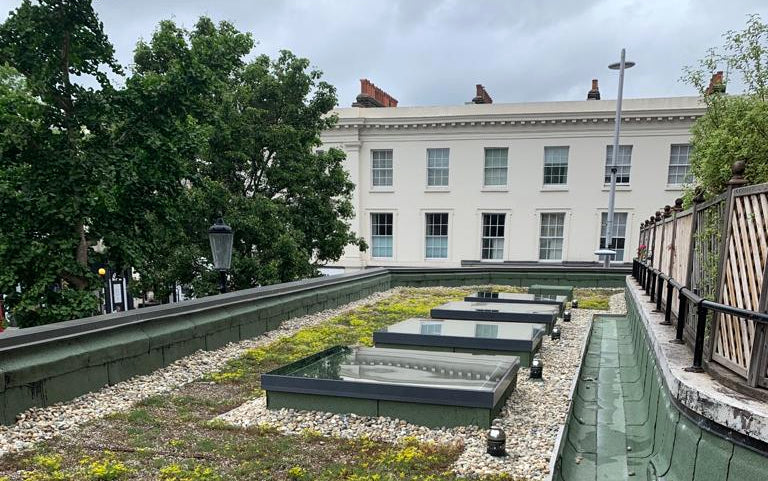


In comparison with other materials, it is easy to think of glass as almost “corrosion-proof”. Apart from their staining over time, they mostly look clear and unaffected. However, there are some issues that crop up over time like etching, clouding and cracking which fortunately has cost-effective solutions like ClearShield® non-stick Technology, prioritizing efficiency, sustainability and aesthetics.
In fact, ClearShield is one of the very few glass protection solutions to consistently hold the Singapore Green Building Certification (SGBC), making it a primary choice for people aiming for green building ratings.
Why Glass Deteriorates Over Time
When put under a microscope, you will be able to notice that glass has a honeycomb-like structure, making it easy for pollutants and moisture in the air to sit inside its micropits. Moreover, since glass is silica-based and made of soda-lime compositions (fluxes and stabilizers), it is natural for the surface to degrade over time and chemically bond with dust and pollutants. This degradation, in the industry, is called “glass disease” and it reduces the shine and visibility of the glass and might even cause tiny cracks across the surface.
Manufacturing inconsistencies can speed degradation but the biggest culprit is often improper maintenance. Even cleaning your glass with incompatible alkaline cleaners and methods can compound the damage and break the silicate network inside. All of these factors can shorten its long lifespan from decades to mere years.
The Science Behind Glass Surface Damage
Now, let’s jump into the sciency nitty-gritties. As previously discussed, moisture in the atmosphere (H2O) is one of the biggest, if not the largest contributor of glass corrosion. These H2O molecules sneak into the silicate network of glass and swaps out some of the metal ions like sodium present in silica with the hydrogen ions present in atmospheric moisture, creating a gel-like layer on the surface, i.e. leaching. If the environment is very basic (with high pH above 9), the chemicals in the water start to break apart the bonds of silica inside the glass leaving behind a porous layer that's very thin (approx. 100 nanometers). While glass with more silica is more resistant due to restriction over movement of ions, even the toughest of glass caves in after long exposure to atmospheric moisture. Eventually, when this glass wears down or gets scratched, it deteriorates and a network of tiny cracks forms. This makes it incredibly easy for moisture and other irritants to damage the glass. Unfortunately, these cracks also make the glass more vulnerable to chemicals and other substances, causing glass corrosion or deterioration.
Environmental Factors That Accelerate Damage
-
Humidity in the Air: Moisture in the air is the main cause of glass corrosion. When water sits on the glass, it reacts with the surface and pulls out minerals. This creates a cloudy, white residue that eventually eats into the glass, making the damage permanent.
-
Contaminant Bonding: Glass is a magnet for pollution since it is chemically reactive. Exhaust fumes, bird droppings, and chemicals from window seals actually bond to it, which makes the grime nearly impossible to wash away with normal cleaning.
-
Hard Water and Minerals: In places like showers or near the ocean, minerals get trapped in the tiny holes of the lattice structure present in glass surfaces. As the water dries, these minerals stick and create a sandpaper-like layer which attracts even more dust and other contaminants.
-
Sunlight and Heat: Heat from direct sunlight triggers chemical reactions between H2O in the air and glass, baking these stains into its surface, causing irreversible damage.
Operational Factors
Improper methods used during cleaning operations can contribute to glass damage and acceleration.
-
Unlike your floor, using harsh chemicals like ammonia or bleach to clean glass surfaces can erode their finish.
-
Newspaper or tissue papers, while commonly used, can scratch glass.
-
Circular cleaning motions can leave water streaks in the glass, which while looking bad from the outside, also leads to moisture sticking to the surface and accelerating degradation.
Understanding Glass Corrosion
Glass naturally attracts moisture because it is hydrophilic, i.e., water-loving. This means there's always a thin layer of moisture on its surface. When it rains or the environment has more moisture, water on the glass’ surface increases, making it harder to see through and possibly making it unsafe and uncomfortable to use. Most importantly, this water can cause damage to the glass over time. This is called “aqueous corrosion”.
The second form of corrosion is through alkaline cleaning products. They are the most commonly available cleaning products on the market, and people often use them without thinking. While glass is acid-resistant, it is weak to alkaline substances. This leads to the breakdown of the glass surface. Using harsh cleaning movements can also aggravate the damage to the already eroding surface.
Glass Protection by Industry & Types of Glass Protection
In short, if glass is water-loving, the simplest solution is to make it water-avoidant. The market offers many types of coatings. Let’s understand them in detail. Some of them include:
-
Functional Treatments (Low-E and Tints): These are mostly applied to block heat and keep your building cool while blocking some UV rays. However, they do not protect the glass surface and need additional protection to stay effective.
-
Hydrophobic Coatings: Like your bug-repellant sprays, they prevent water from sticking to the glass’s surface. However, they are very thin and wear off quickly. It’s not a permanent shield and requires frequent reapplication.
-
Tinted Coatings: They add additional colour to the glass to cut down on glare and heat from the sun.
-
Self-Cleaning Glass: It uses UV light from the sun to break down dirt that settles on top of the glass. While helpful, it can’t prevent the buildup of limescale or salt (in hard water areas), which can still bond to the surface and cause pitting.
-
Professional Polymeric Resins (The ClearShield Way!): This is the gold standard for glass protection. Our polymeric resin cross-links with the glass surface to become a part of it and create a chemically non-reactive layer. Most of the factors causing glass disease are pollutants from the environment. By creating a non-reactive and non-stick barrier, we make it a much stronger and easier way to maintain and protect glass.
Glass Protection vs Glass Replacement
As the age-old saying goes, “Prevention is better than cure”. Thus, it is always recommended that you protect your glass in advance rather than spend lots of money to regularly replace it in your offices. Moreover, protective coatings extend life, often 5 times cheaper than swaps, avoiding downtime and waste. Yes, replacements fix breaks and make the glass look good, but corrosion causes will exist forever. Along with the benefits of ROI, existing solutions in the glass protectant market, like ClearShield Technology, give the glass an appearance and protection akin to a newly bought one for at least a decade.
The Importance & Process of Long-Term Glass Maintenance
Regular cleaning with a microfiber cloth dipped in distilled water or pH-neutral solutions takes away the dirt and salt build-up. As mentioned before, avoid using paper towels that can scratch the coating. Yearly inspections using a simple gloss meter or even a flashlight check can spot early haze or etching before it spreads.
If you run a co-working space or are deeply involved in its logistics, here are some tips:
-
Keep indoor humidity below 50% with dehumidifiers or air conditioning. This prevents moisture from pulling alkali ions out of the glass
-
Explore edge sealing with silicone or specialized tapes to prevent water seeping into the edges.
-
Schedule recoats every 5 years depending on exposure (10 years if you’re using our ClearShield System™ Solution). If you live in high-pollution areas like Delhi or Bengaluru, check every two years.
How Long Do Glass Coatings Last?
Good glass coating solutions like our ClearShield System™ Solution can last up to a decade (10 years) due to them being a permanent covalent part of the glass itself. Unlike other glass protectants, our ClearShield Eco-Glass is non-flammable and does not react to extreme heat from sunlight and prevents grime buildup near moisture-heavy regions like coastal areas or beaches. It can last up to a lifetime, provided it is cleaned properly. For example, the Suvarnabhumi International Airport in Bangkok was protected nearly 20 years ago and is still working perfectly today because of regular, simple maintenance
However, we can recommend maintenance timelines necessary for your glass or surface installation based on your environmental factors.
The Professional Glass Protection Process
It is crucial to check your glass before you start your protection process. In case of any cracks or major damage, we highly recommend you get it replaced to get maximum benefits before proceeding with the coating.
Now, professionals apply the coating in an area with no direct sunlight, which can negatively impact its durability. Then, to speed up the curing, they allow it to be exposed to sunlight and ensure as much as possible that water doesn’t touch the glass.
During curing, professionals use DFT gauges for uniformity, adhesion tape tests to check bonding strength, and high-voltage spark testers for pinhole defects. For long-lasting protective solutions, consult glass maintenance experts who will walk you through the end-to-end system from installation to aftercare in our ClearShield glass protection ecosystem.
Conclusion
In this blog, we discussed why it’s important to protect your glass even if it’s newly installed. You learned how there are various ways glass can corrode and how we can reduce its possibility. In short, glass protection through specialized coatings and regular professional maintenance routines gives you years of clear and durable surfaces while cutting your replacement costs by at least 50%.